Over the past decade, video has steadily moved from a supplementary marketing tool to a core component of real estate promotion. By 2026, this shift will be impossible to ignore. Video will be an expectation embedded into how listings are presented, evaluated, and remembered.
This evolution is not driven by technology alone. It’s the result of changing buyer behavior, platform-driven content consumption, and rising standards for how properties are experienced digitally. As buyers scroll faster and compare more options than ever before, static media alone is no longer sufficient to hold attention or convey the full experience of a property. And even that, the gap between “we have video” and “this video actually helps sell” is getting wider.
For real estate agents, marketers, and media providers, understanding how 2026 real estate video is evolving, and what types of video actually perform, will be critical. Let’s break it down.
The New Baseline Expectation

Image source: Unsplash
For a long time, video helped listings stand out simply because not everyone was using it. That advantage is fading fast, and by 2026, video will be everywhere. When something becomes universal, it stops being a visibility boost and starts becoming a basic expectation.
Buyers have become accustomed to consuming property information through motion, not just static representation. Video allows viewers to understand spatial relationships, movement, and atmosphere in ways that photos cannot fully convey.
What is changing, however, is not simply the volume of video content, but its purpose. Early real estate videos focused on documentation, showing each room in sequence to provide basic coverage. Today’s audiences expect more than proof of space; they want context, flow, and a sense of how the property functions as a living environment.
As a result, video is becoming foundational rather than optional. Listings that rely solely on images may still inform, but they may not fully engage. Instead, even a simple video can significantly increase time spent on a listing and improve emotional connection, which directly influences buyer interest.
That’s why lifestyle clips, neighborhood moments, or subtle motion shots are becoming standard. Buyers aren’t only asking: “Is this the right house?” but “Can I see my life here?”. And video has become the fastest and clearest way to help them answer that.
The Shift to Narrative-Driven Content
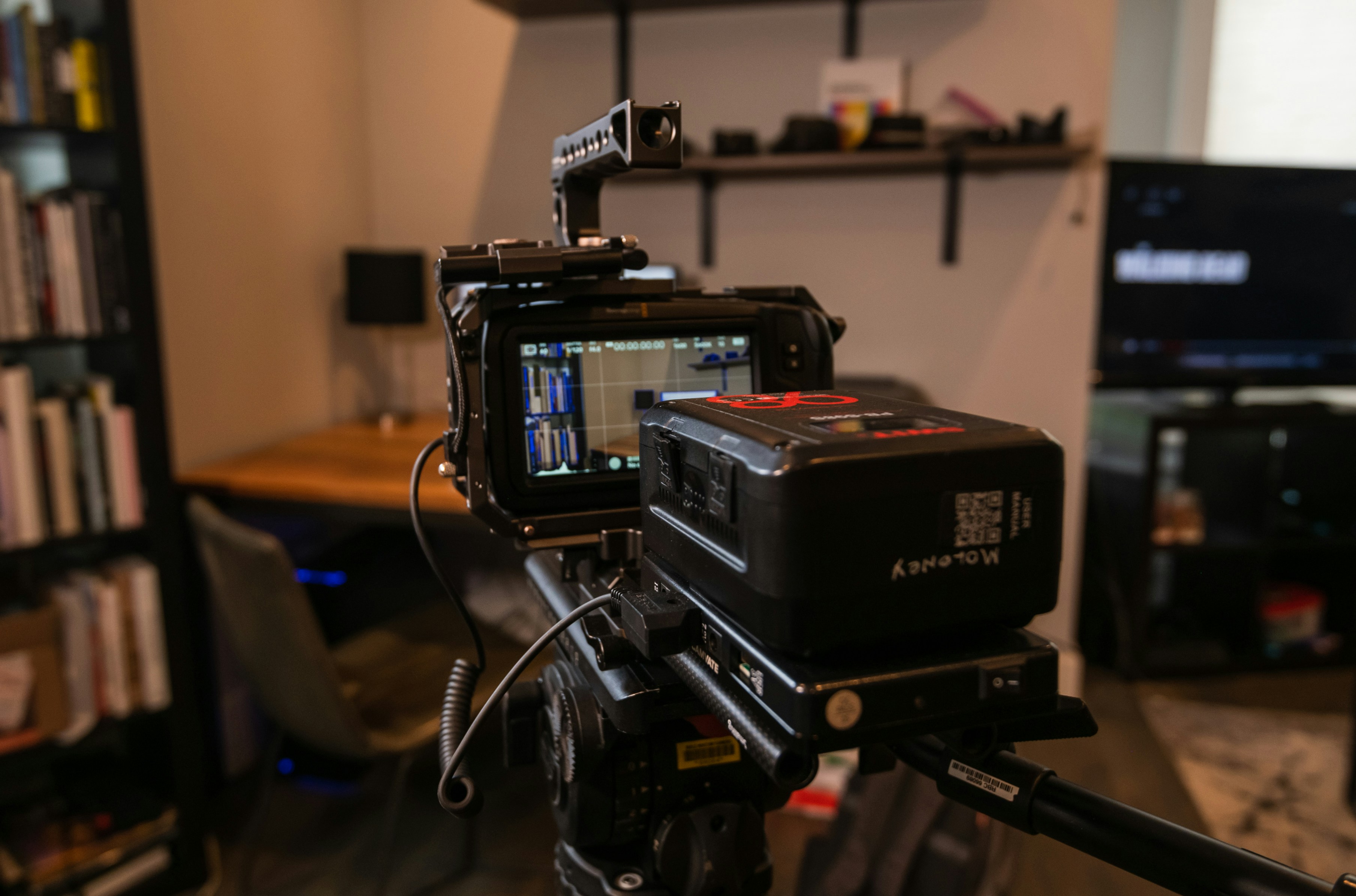
Image source: Unsplash
One of the most notable developments in 2026 real estate video marketing is the move toward storytelling. Rather than presenting properties as static assets, video frames them as lived-in experiences.
This narrative approach does not require cinematic production or dramatic storytelling. What it does require is intention. The order of shots, the pacing of movement, and where the camera pauses all influence how a viewer understands a property. A well-structured video guides the audience naturally through the space, showing how rooms relate to one another, how light changes throughout the home, and how the layout supports real living. Narrative-led videos prioritize relevance, focusing attention on the spaces and transitions that matter most. The result is content that feels easier to follow and more memorable, even when the video itself is shorter.
This change reflects broader content trends across digital platforms, where audiences respond more strongly to content that feels purposeful and immersive. Algorithms increasingly reward watch time and completion rates, which means videos that hold attention from start to finish tend to perform better than those that simply document a property from room to room. For real estate marketers, this means rethinking video production not as a checklist of shots, but as a deliberate communication tool designed to convey value efficiently. For agents, it means the people who reach out already “get” the property and are more serious about it.
The Rise of Agent-Featured Video
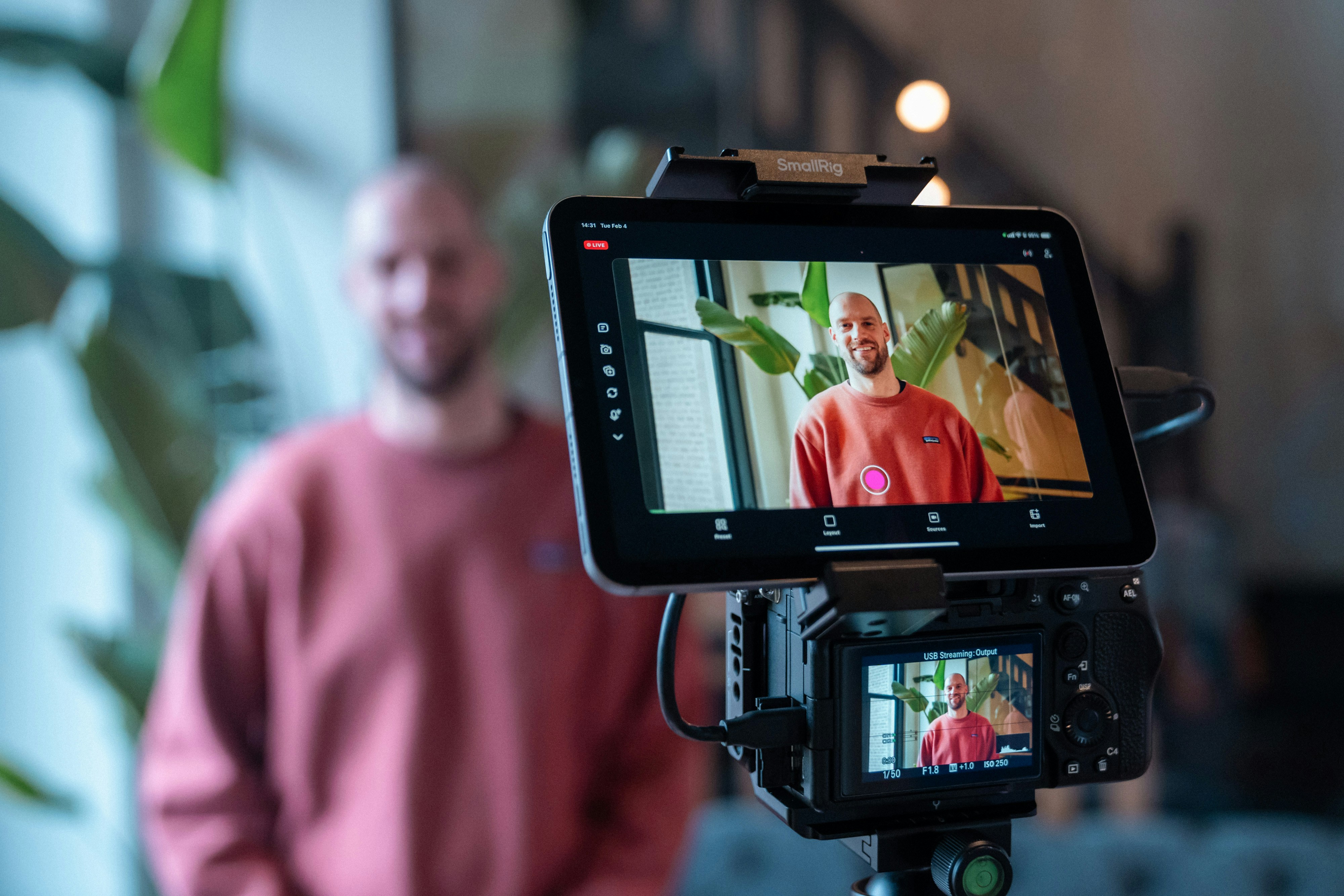
Image source: Unsplash
Another defining 2026 real estate video trend is the increased presence of agents within video content. Voiceovers, on-camera introductions, and agent-led walkthroughs are becoming more common, especially across social and mobile-first platforms where personality plays a central role in engagement.
At its core, this shift is driven by trust. Buyers today are navigating an overwhelming volume of listings, many of which look visually similar at first glance. An agent’s presence adds a human layer that helps differentiate both the property and the professional behind it. Hearing an agent explain how a space flows, or why certain features matter, provides context that static visuals alone cannot deliver. It also makes the experience feel more guided and less transactional.
From a performance perspective, agent-featured content also aligns well with social media algorithms, which tend to prioritize content that encourages engagement and feels personal rather than promotional. Importantly, this does not require agents to become influencers or adopt overly scripted performances. The most effective agent-featured videos tend to feel simple and natural. A brief on-camera introduction, a calm voiceover during a walkthrough, or a short explanation of a property’s standout feature is often enough to create connection without distraction.
From now on, being visible in 2026 real estate video marketing will be less about personal branding and more about meeting audience expectations for transparency and human connection.
The Authentic One-Shot Walkthroughs
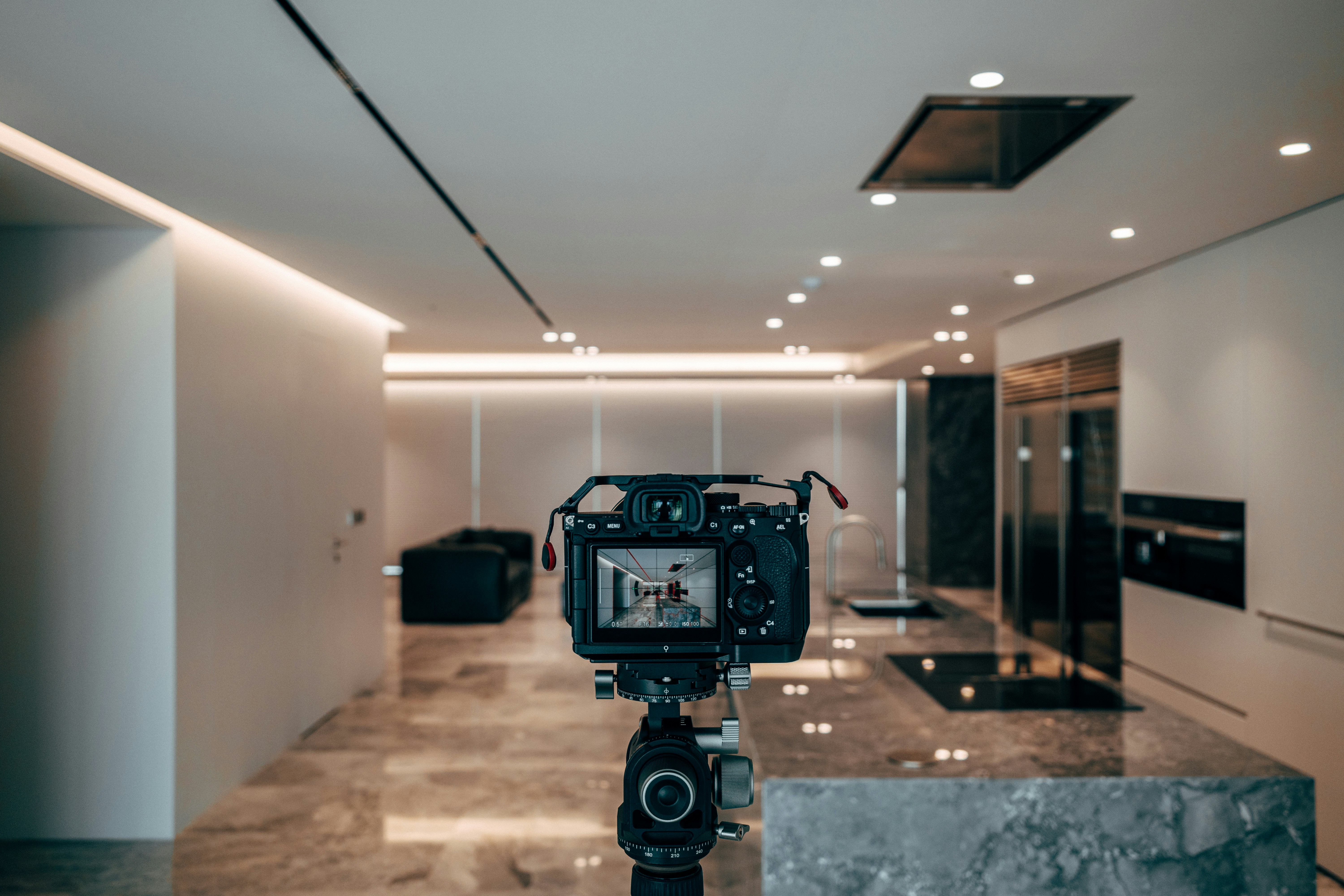
Image source: Unsplash
In contrast to highly produced videos, one-shot video walkthroughs are gaining traction for a different reason: authenticity. These videos mirror how viewers naturally explore content on short-form and mobile platforms. There are no dramatic cuts or stitched moments, just a steady, uninterrupted view of the space.
This format appeals to audiences who value clarity over polish. Rather than presenting a carefully edited highlight reel, one-shot walkthroughs provide a realistic sense of scale and flow, reducing the gap between expectation and reality.
For real estate marketing teams, this 2026 real estate video trend highlights an important insight: effective video does not always require complexity. In many cases, simplicity, consistency, and honest representation are more impactful than heavy editing or visual effects. But this does not mean quality is less important. Camera stability, framing, lighting, and movement still matter greatly. The difference is that quality is now measured by how clearly a video communicates reality, not how much it impresses visually. By 2026, one-shot walkthroughs are likely to coexist with more produced video formats, serving as a complementary option that prioritizes trust, transparency, and efficiency.
The Strategic Imperative of Social-First Video Design
Image source: Unsplash
Another major shift shaping 2026 real estate video editing is the need for social-first video design. Most listing videos will be consumed on mobile devices, often without sound, and within fast-scrolling environments where attention is earned in seconds.
This reality requires marketers to consider format, framing, pacing, and captioning from the outset. Vertical video, strong opening sequences, and clear visual cues are core design considerations. For instance, many viewers watch with the audio off, especially during the first few seconds. Clear captions, visual text cues, and readable overlays help communicate the message without relying on voice or music. Instead of weakening the content, this often strengthens it by forcing clarity and focus.
Listings that treat social platforms as an afterthought risk underperforming, even if the underlying content is strong. A well-shot video can still fail if it is not presented in a way that fits how people actually discover and engage with content today. In contrast, videos designed specifically for social consumption are more likely to capture attention, generate interaction, and stay relevant longer than a single listing cycle.
The Quality Expectations in an AI Era

Image source: Unsplash
As video editing tools and AI-assisted workflows continue to evolve, the overall quality of 2026 real estate video content will rise. This does not mean all videos will look the same, but it does mean audiences will develop higher standards. They will instinctively notice when something feels off. Jerky motion, awkward pacing, inconsistent lighting, or abrupt transitions will stand out immediately, even if the property itself is strong. In a market where buyers compare multiple listings in minutes, those small friction points can be enough to lose attention.
What’s changing is not just visual tolerance, but visual literacy. Viewers are becoming better at sensing flow, rhythm, and coherence because platforms train them to expect it. Smooth motion feels natural. Logical sequencing feels trustworthy. Visual consistency signals professionalism. When those elements are missing, the video feels unfinished, rushed, or careless, regardless of how advanced the tools behind it may be.
This creates a new form of differentiation. As basic video production becomes more accessible, strategic editing and thoughtful presentation will separate effective marketing from generic output. In this context, AI does not replace creative judgment; it raises the stakes for it. Automation handles the mechanics, but humans still shape the experience. The teams that stand out will be those who know when to let a moment breathe, how to guide attention through a space, and how to align visual tone with the visual overall. Quality will be measured not by complexity, but by how well the video communicates and supports the listing’s positioning.
Final Thoughts
As video becomes the norm in real estate marketing, the role of media and marketing companies is changing with it. By 2026, success will be defined by who understands how video actually works in the real world across platforms, workflows, and buyer behavior. That means knowing which formats perform where, how to maintain quality as volume grows, and how to adapt content as platforms and audience expectations keep shifting. It also means helping agents use video in a way that supports their business goals rather than just filling in a content slot.
If you’re thinking about how your 2026 real estate video offerings can evolve for what’s ahead, we’d love to explore that with you at https://esoft.com/book-demo.
Related Blogs





Linh Phan
Content Strategy Executive
No Spam, Just Updates
Our fresh blogs provide technical and industrial information that helps strengthen your business. Sign up to be the first to receive the new updates