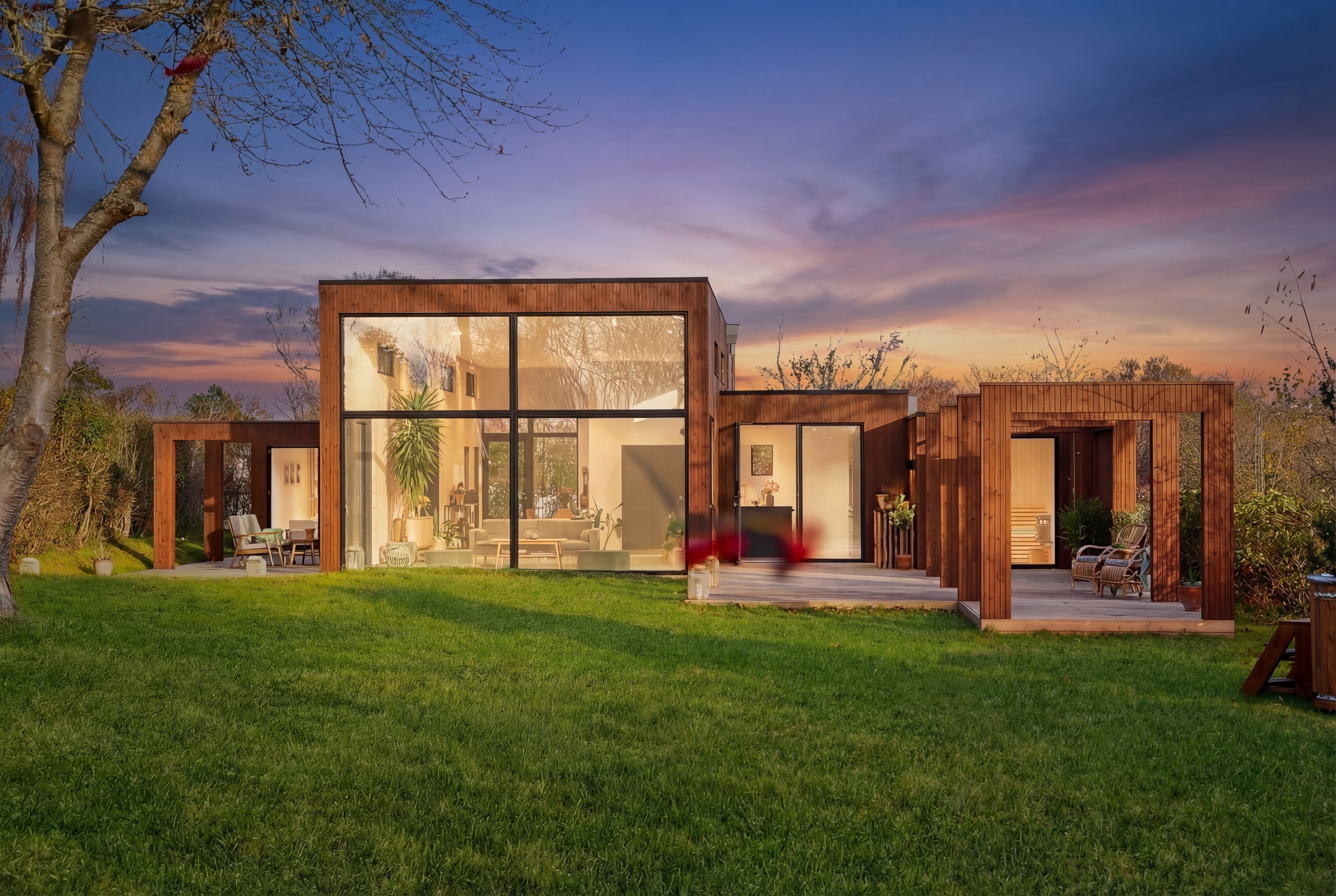
Producing convincing virtual twilight photo editing results comes down to a set of specific, learnable production decisions. Photographers and editors working at any volume level face the same core challenges: choosing the right source image, building realistic light across the facade, and knowing where AI output needs a human check. This article covers the visual standards that separate professional results from low-quality edits, six expert production tips, the five most common mistakes that affect output quality, and how to match the right production approach to each listing type. The sections that follow address each area in practical detail.
What Separates a Realistic Virtual Twilight from a Cheap-Looking Edit
A convincing virtual twilight edit holds up on four visual standards: light consistency, sky believability, shadow accuracy, and window glow depth. When any one falls short, viewers register the image as edited rather than photographed.
The realism checklist:
Light consistency: The replacement sky direction and color temperature should align with the light visible on the facade
Sky believability: A sky that reads as photographed keeps attention on the property, not the edit
Shadow accuracy: Existing shadows should stay consistent with the dusk light position
Window glow depth: Interior light should taper at window edges and vary between rooms
Research shows 87% of buyers begin their property search online (National Association of Realtors), making the listing image the first impression that drives engagement.
The three most visible signs of a low-quality edit:
Sky color that conflicts with the light direction on the building facade
Window glow appearing as a flat, uniform wash across all openings
Ground and landscaping darkened at a uniform rate with no tonal variation
Modern AI has raised the baseline for sky replacement and facade darkening. The remaining gap between automated and professional output sits in window treatment, environmental lighting, and ground transitions, where human refinement produces a measurably stronger result.
See more articles: 5 Best Real Estate AI Photo Editor Tools in 2026
Expert Tips for Virtual Twilight Photo Editing That Actually Fool the Eye
Producing a photorealistic result depends on a sequence of production decisions, each building on the last. The six tips below cover the full workflow from source image selection through to final grade.
Tip 1 - Start With the Right Source Image
The source image sets the ceiling for the final edit. Shoot in soft overcast light where possible, as it produces even facade exposure without hard shadow patterns that conflict with dusk lighting. Before submitting an image for editing, check for:
Clean, unobstructed rooflines
Consistent exposure across the full building surface
Minimal harsh directional shadows on the facade
Tip 2 - Match Sky Light Direction to the Facade
The replacement sky and the light visible on the building should come from the same direction.
A sky suggesting warm light from the left while the facade reads front-lit is one of the most consistent realism-breaking mistakes in virtual twilight production. Editors should assess the facade light angle before selecting or placing any sky asset.
Tip 3 - Layer the Darkness Gradually
Ground, driveway, and landscaping each lose light at a different rate as dusk sets in. Hard surfaces retain slightly more ambient light than planted areas, and depth perspective affects how quickly darkness falls across a long driveway or garden path.
Applying a single darkening layer uniformly across all surfaces produces a flat result that reads as edited.
Tip 4 - Use Multi-Source Window Glow
Interior light in a genuinely lit home varies between rooms, floors, and window sizes. A warm yellow wash applied uniformly across every opening removes that variation and flattens the image. Window glow should:
Taper softly at the edges of each opening
Vary slightly in intensity between windows
Reflect the difference between a bright living area and a dimmer hallway or bedroom
Tip 5 - Add Environmental Light Details
Pathway lights, porch uplighting, and garden edge lighting are detail layers that shift a virtual twilight image from convincing to genuinely immersive.
These elements are present in real twilight photography and their absence is noticeable, particularly on premium listings where buyers expect a fully realised exterior presentation.
Tip 6 - Color Grade Last, Not First
Warmth, saturation, and tone adjustments applied before compositing create inconsistencies between elements added later. The correct sequence is:
Complete all sky placement and blending
Finalise window glow and environmental lighting layers
Apply color grading across the full composite as a single step
Grading the full composite together ensures the whole image reads as a coherent scene rather than a collection of separately adjusted elements.
Where AI Handles the Work and Where Human Judgment Still Matters
AI-driven workflows now perform reliably across Tips 1 through 3, handling sky selection, placement, and graduated darkening at a quality level sufficient for standard residential listings.
Tips 4 through 6 still benefit from human refinement. Window glow variation, environmental lighting detail, and final color grading each require judgment calls that current automation does not consistently resolve, particularly on complex facades or high-end listings where the exterior image carries significant marketing weight.
See more articles: Best Real Estate Photo Editing Services
Five Mistakes That Make Virtual Twilight Look Unrealistic
Even well-executed edits can fall short when specific production details are overlooked. These five mistakes are the most common causes of a virtual twilight image reading as artificial rather than photographed.
1. Mismatched Sky and Facade Lighting Angle
The light direction in the replacement sky should align with the light visible on the building facade.
A sky placing the light source to the left while the facade shows front-facing illumination creates a contradiction that viewers register, even without identifying the specific cause.
2. Window Glow That Bleeds Through Walls
Interior light should appear through glass only.
When the glow effect bleeds into solid wall areas around window frames, it signals a selection mask error that is immediately visible on close inspection. Precise masking to the glass boundary is a basic production standard, but one that AI tools still miss on complex window configurations.
3. Over-Saturated Color Treatment
Common signs of over-processed virtual twilight images include:
Sky saturation pushed beyond what a real dusk photograph would produce
Orange and pink tones dominating the full image rather than sitting in the sky
Facade color shifting as a result of sky color spill applied too broadly
The result reads closer to a composited film than a property photograph.
4. Ignored Reflections on Ground Surfaces
A new sky changes what reflective surfaces show.
Driveways, wet paving, glass balustrades, and pooled water should all carry some trace of the replacement sky. Leaving original daytime reflections in place while a dusk sky sits above them is a consistency error that breaks the overall realism of the image.
5. Skipping QC on AI-Generated Output
AI workflows produce fast results but generate errors at a consistent rate, particularly on complex facades, multi-pane windows, and landscaping edges.
Without a human QC step, those errors reach the final output and compound across a batch. A single unchecked artifact on a hero listing image can affect how the property is perceived before the buyer reads a single line of copy.
Esoft’s Virtual Twilight Service - AI, Hybrid, or Fully Manual Editing to Fit Your Listing
Choosing the right production approach is not only a quality decision; it is a commercial one. Esoft’s Virtual Twilight AI Suite is structured around a clear framework that maps speed, realism, and cost to three defined production tiers, so the right approach can be matched to each listing type without overspending or compromising on output where it matters most.
Virtual Twilight AI runs a fully automated workflow, best suited to high-volume residential listings where consistent turnaround and cost efficiency are the primary requirements. There is no human QC layer, and output quality reflects what AI currently handles well: sky replacement, facade darkening, and basic window glow.
Virtual Twilight Standard adds human QC and minor correction to the AI base. This tier includes:
AI artifact handling and final render selection
Human review before delivery
Style and preference options including warmth and brightness adjustments
It is the right fit for standard listings where consistency and listing-ready output matter, but specialist refinement is not required.
Virtual Twilight Premium applies AI production with human QC and specialist refinement across every image. Key inclusions beyond the Standard tier are:
Window light tone adjustment
Shadow removal with stronger production control
Original grass preserved rather than replaced
Bespoke sky library selection
Guaranteed and refined light spill treatment
This tier is built for high-end and luxury listings where the exterior image is a primary marketing asset and realism at close inspection is a commercial requirement.
Find more information about our Virtual Twilight service.
Matching the Tier to the Listing
The rule of thumb is straightforward: the higher the listing price point, the more realism-per-dollar matters. A virtual twilight image on a luxury property will receive more scrutiny from buyers, agents, and publishers than the same edit on a standard residential listing. Investing in the production tier that matches the listing’s market position is where quality and spend align most effectively.
FAQs
1. What type of source image works best for virtual twilight editing?
Images shot in soft, overcast light with clean rooflines and consistent facade exposure give editors the strongest base. Harsh midday shadows create conflicts with the added dusk lighting and are difficult to correct in post-production.
2. Can AI alone produce a professional-quality virtual twilight result?
AI handles sky replacement, facade darkening, and basic window glow reliably. Window light variation, environmental lighting detail, and final color grading still benefit from human refinement, particularly on complex facades or high-value listings where realism is a priority.
3. Why do reflections matter in a virtual twilight edit?
Reflections are a key realism marker. Driveways, glass surfaces, and wet paving should carry traces of the replacement sky. Leaving original daytime reflections in place while a dusk sky sits above creates a visible inconsistency that weakens the overall image.
Final Thoughts
Effective virtual twilight photo editing comes down to a sequence of deliberate production decisions: the right source image, consistent light direction, graduated darkening, and precise window treatment. Avoiding common mistakes, from mismatched sky angles to skipped QC steps, protects the realism of the final output. Matching the production tier to the listing type ensures quality and spend align where it counts most. For media businesses managing volume and quality across different listing types, the right production partner makes a measurable difference. Contact Esoft to find the virtual twilight tier that fits your workflow.
Related Blogs

Virtual Dusk Real Estate: Which methods work for your in-house operation?
Photo Editing
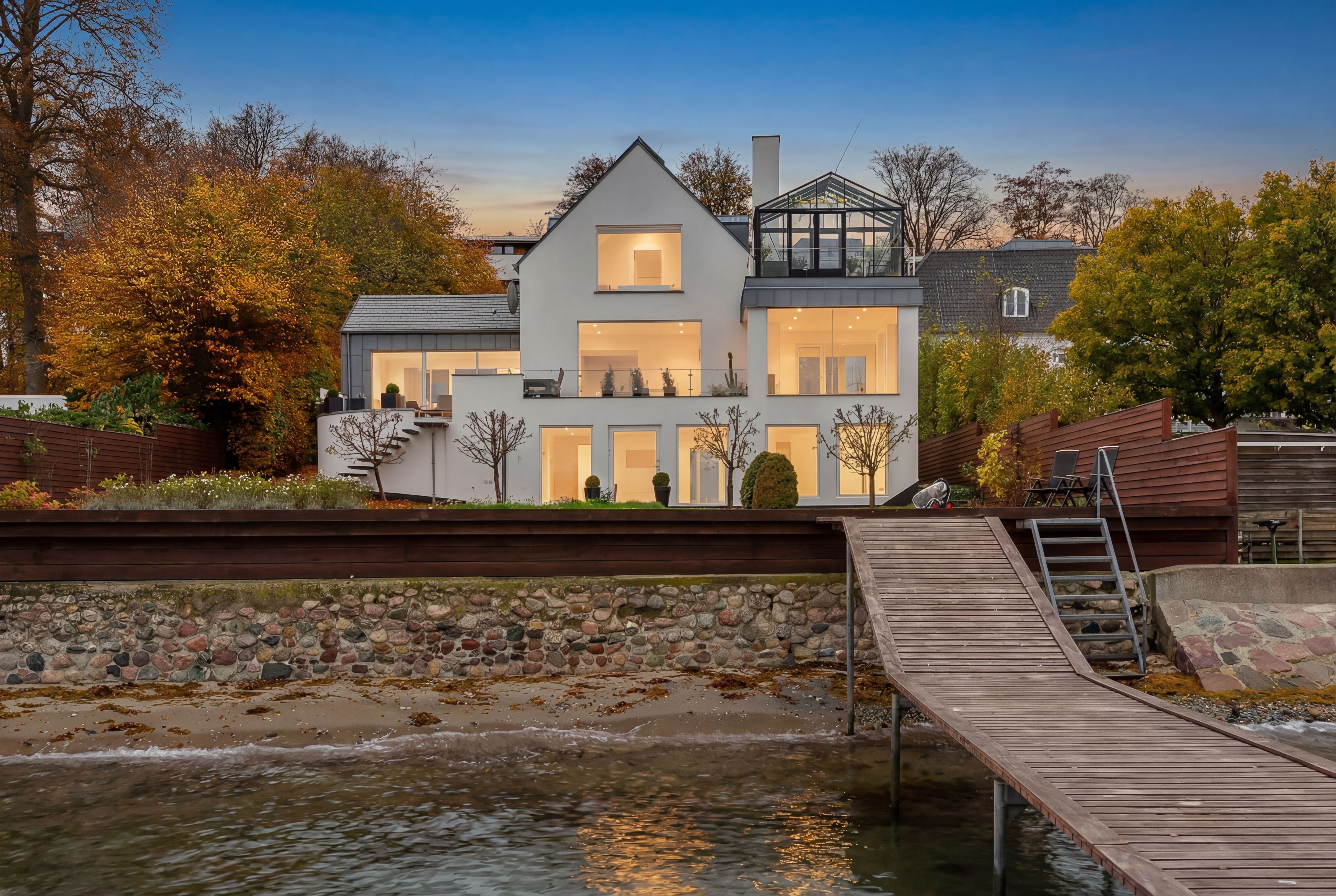
How to Achieve Perfect Twilight Real Estate Photography?
Photo Editing

How Virtual Twilight Photos Increase Property Click-Through Rates
Photo Editing

Real Estate Twilight Photo Editing: 5 Features That Matter Most
Photo Editing
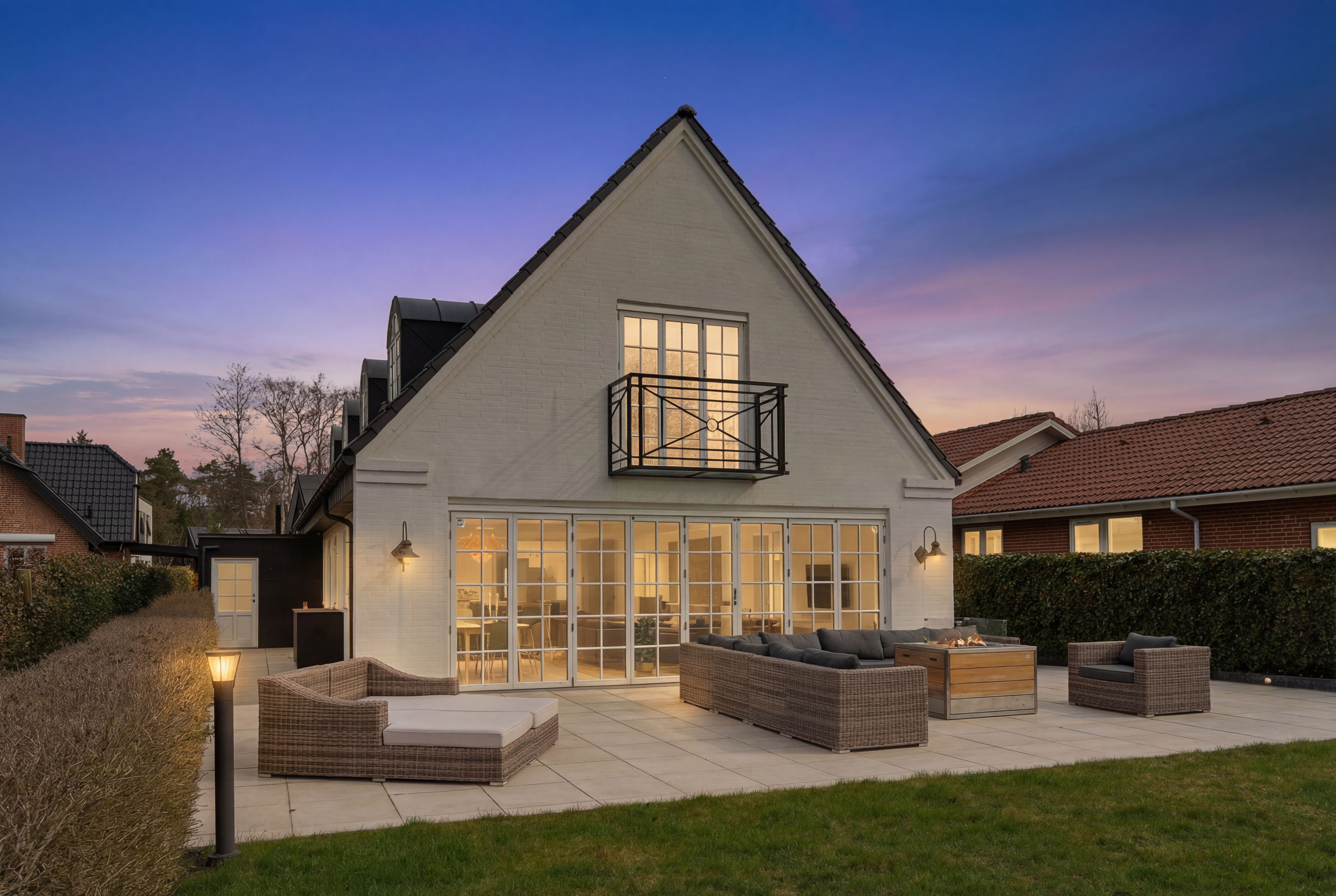
Virtual Twilight Photography: Turning Listings into Buyer Magnets
Photo Editing

Day to Dusk Photo Editing for Real Estate: Step-by-Step Guide
Photo Editing


Linh Phan
Content Strategy Executive
No Spam, Just Updates
Our fresh blogs provide technical and industrial information that helps strengthen your business. Sign up to be the first to receive the new updates
