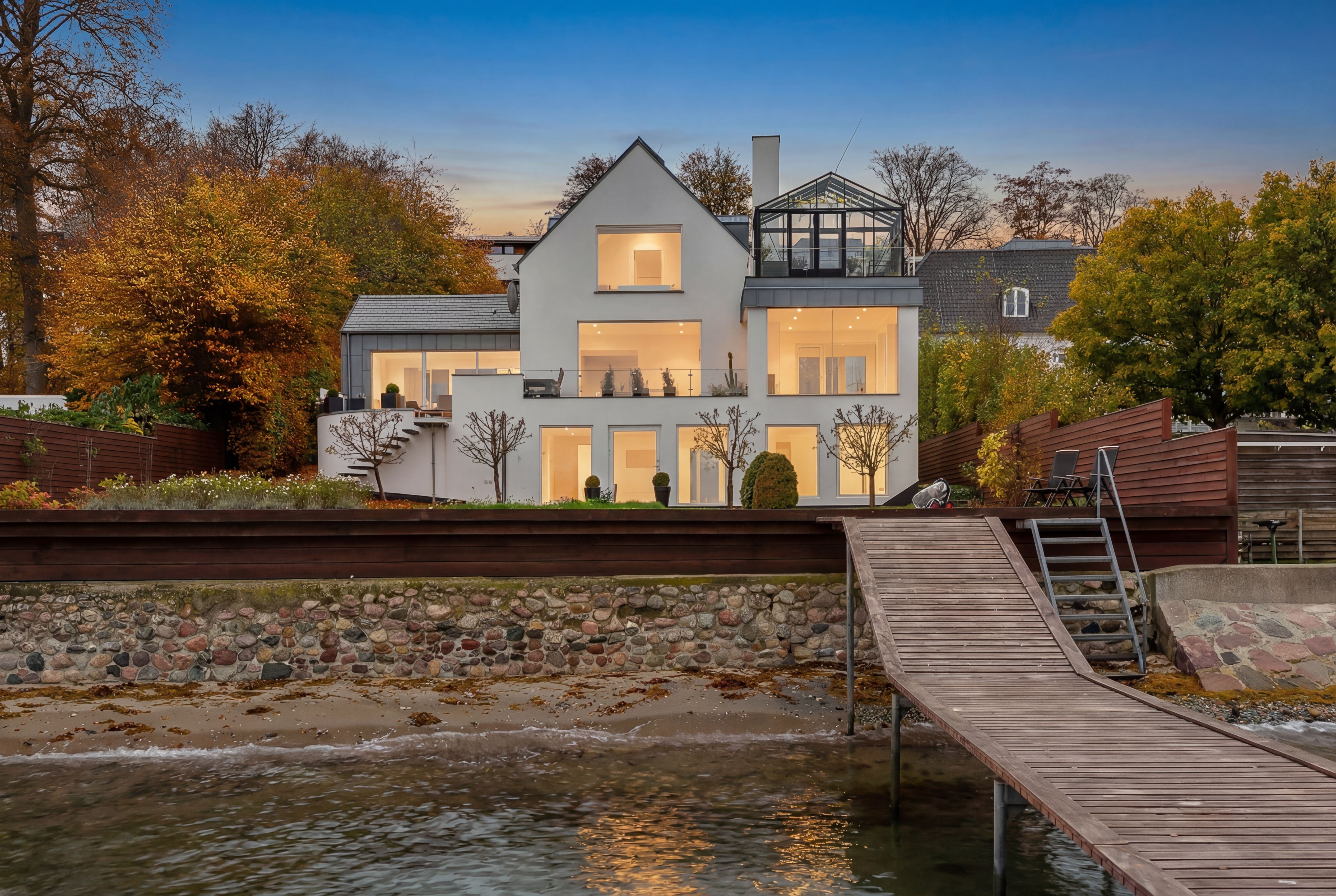
Twilight real estate photography has a direct impact on how buyers engage with a listing at first contact, and agents and photographers who produce it consistently hold a clear advantage in how their listings perform. Achieving that consistency requires understanding what quality standards to hold, which production approach fits each listing type, and what to demand from a provider. The sections below cover each of those decisions in full.
I. Reasons That Make Twilight Real Estate Photography Work
Twilight images perform differently from daytime exteriors, and the reasons behind that gap are specific enough to inform both how you shoot and what quality standards you hold. Understanding what drives the result makes it easier to produce it consistently.
How Twilight Images Shape Buyer Response
The exterior photo is the first thing a buyer sees, and it shapes how they approach every image that follows. A daytime shot documents a facade accurately, but twilight lighting adds an atmospheric quality that daytime shooting cannot produce: a gradient sky deepening toward the horizon, warm light spilling from windows, and exterior features rendered in a way that reads as inviting rather than simply visible.
That shift activates a response in buyers closer to aspiration than assessment, and the engagement data reflects it:
Twilight hero images receive up to 76% more clicks than daytime equivalents, according to Redfin listing performance data
Gitnux’s 2026 real estate photography statistics note that twilight photography adds an estimated $15,000 to sale price on average
The effect carries through to perceived value because twilight lighting changes how facade materials, architectural details, and landscaping are read. The property appears more considered in its presentation, and buyers respond by attributing higher value before a single interior image is viewed.
Why Output Quality Determines Whether the Advantage Holds
Three elements determine whether a twilight image reads as atmospheric or processed:
Sky. A believable twilight sky carries a natural gradient, with a warm band at the horizon transitioning to deeper blue above, aligned with the property’s light sources.
Window glow. Windows need to read as light sources with warmth and depth, not flat colour fills. The slight interior visibility that signals occupancy separates a well-executed window treatment from a basic brightness boost.
Light consistency. All edited elements need to hold together as a single scene. A warm sky next to a cool facade, or glowing windows against midday shadows, breaks the coherence that makes twilight images work.
When those standards are not met, the image actively signals that the listing received less care than the presentation required. Flat window glow, retained daytime shadows, or a sky that reads as placed rather than rendered are details buyers register without identifying them consciously. Because buyers form their impression quickly, a weak twilight edit can do more damage to listing performance than a straightforward daytime exterior that sets no expectations at all.
See more articles: Best Real Estate Photo Editing Services for the US
II. Shooting vs. Editing: Two Paths to a Twilight Result
Twilight results can be achieved through an on-site shoot or through post-production editing of a daytime image. Both paths produce a dusk exterior, but the production requirements, cost structure, and output reliability are different enough that the choice between them matters at the workflow level.
What On-Site Twilight Shoots Require
A real twilight shoot depends on a window of roughly 15 to 20 minutes after sunset when natural and artificial light reach a balanced exposure. Outside that window, the sky is either too bright to hold the atmosphere or too dark to render the property correctly. This creates a set of practical constraints:
The shoot must be scheduled for the right season, weather, and time of day, with limited flexibility for rescheduling
The photographer needs to work quickly across multiple angles within a narrow window
Properties require working exterior and interior lighting to produce the window glow effect that defines the result
Any failure in timing, lighting, or weather means a complete reshoot rather than a revision
For high-value listings where the authenticity of a real golden-hour shoot is part of the brief, these constraints are manageable. For most residential listing workflows, they introduce production risk that is difficult to absorb at scale.
Why Virtual Editing Has Become the Practical Alternative
Virtual twilight editing converts a daytime exterior into a dusk image in post-production. The approach removes scheduling dependency, eliminates weather risk, and allows the same daytime shoot that captures the full property to produce both a standard exterior and a twilight result from a single visit.
For photographers and agencies managing a consistent volume of listings, that production simplification is significant. It removes an entire scheduling layer, reduces the cost per twilight result, and allows twilight imagery to be offered across listing types that would not justify a dedicated evening shoot.
How Modern AI and Hybrid Editing Replicate the Golden-Hour Look
Current AI-based virtual twilight editing handles the core conversion automatically: sky replacement, window illumination, and basic ambient light adjustment. Hybrid approaches add human QC and specialist refinement on top of the automated layer to address the specific quality points that AI conversion alone handles inconsistently, such as shadow removal, light spill correction, and sky-to-facade colour temperature alignment.
The result, when the editing is executed to a professional standard, is functionally equivalent to a real twilight shoot in how it reads on a listing portal. Buyers viewing the image on a screen do not have a reference point for whether the lighting was captured or created. What they respond to is whether the image reads as atmospheric and credible, which is a function of edit quality rather than production method.
Where Each Approach Fits
Choosing between the two comes down to listing type, budget, and turnaround requirements:
On-site twilight shoots suit premium listings where the authenticity of the result is part of the client brief, where the property has strong architectural features and full exterior lighting, and where the budget supports a dedicated evening session
Virtual twilight editing suits most residential listings, high-volume workflows, listings where a dedicated twilight shoot is not in the budget, and any situation where turnaround time or rescheduling risk would affect the delivery timeline
III. The Key Quality Standards in Twilight Real Estate Photography
Producing a twilight image that performs at listing level requires meeting a specific set of quality standards. Each element below contributes to whether the final image reads as a coherent dusk scene or as a processed exterior.
Sky Believability
The sky is the most immediately visible element in a twilight exterior, and buyers register its credibility before any other part of the image.
A believable twilight sky carries a smooth gradient from a warm amber or orange band at the horizon, transitioning into a deeper blue above. The colour temperature at the horizon needs to align with the artificial light sources visible on the property. A cool blue-toned sky sitting above warm amber facade lighting, for example, reads as inconsistent and breaks the scene before the viewer can identify why.
Horizon accuracy matters as well. The point where the sky meets the roofline or treeline needs a clean, natural-looking edge. Hard masking lines or colour bleeding into the structure are among the first signs buyers notice, even without a professional frame of reference.
Window Glow
Window treatment is where most twilight edits fall short, and where a strong edit earns its result. The goal is not simply to brighten window areas. It is to make each window read as a light source with warmth, depth, and a degree of interior visibility that signals the property is occupied and inviting.
A well-executed window glow has three characteristics:
Warmth. The tone should sit in an amber or soft white range, consistent with interior lighting at dusk.
Depth. There should be a slight variation in brightness across the window surface rather than a flat fill, giving the impression of a lit interior behind the glass.
See-through effect. A faint suggestion of interior space visible through the glass reinforces occupancy and makes the window read as transparent rather than opaque.
Shadow Treatment
Daytime exteriors carry shadows cast by the sun, and those shadows need to be removed or replaced in a twilight edit. Retained daytime shadows are one of the clearest indicators of a low-quality conversion because they are directional and hard-edged in a way that dusk lighting never produces.
Correct shadow treatment involves two steps: removing the existing daytime shadows from the facade, driveway, and landscaping, and replacing them with the soft, diffused fill light that ambient dusk conditions produce. The result should be a scene where light appears to come from multiple low-angle sources rather than a single overhead one.
Light Consistency
Each individually edited element, including the sky, window glow, facade tone, and shadow fill, needs to hold together as a single coherent scene. Light consistency is what separates a technically competent edit from one that reads as a unified twilight image.
The practical test is whether all light sources in the image share a plausible relationship with each other. The colour temperature of the sky should be consistent with the warmth of the window glow. The soft fill on the facade should read as a product of the ambient light, not as a separately applied brightening layer. When this coherence is present, the image reads as a scene rather than a composite.
See more articles: 5 Best Real Estate AI Photo Editor Tools in 2026: Speed, Quality, and Scale
IV. Achieving Better Photography with Esoft’s Virtual Twilight Suite
Selecting a virtual twilight provider is a workflow decision as much as a quality one.
What to Look for in a Provider
Before evaluating specific providers, it helps to define the criteria that matter most when click-through performance and brand credibility are at stake:
Output consistency across a volume of images, not just strong individual results
Human oversight in the production chain to catch variation before it reaches the client
Defined handling of the core quality points: sky treatment, window glow, shadow removal, and light consistency
Revision accountability with a clear process when an output needs correction
Compliance and data security standards for agencies handling client property imagery at scale
Esoft’s Three-Tier Virtual Twilight Structure
Esoft’s Virtual Twilight Suite is built around a single AI conversion engine, with three tiers that each add a layer of human control on top of it.
Virtual Twilight AI – $2.50 | 1-hour turnaround
Fully automated conversion: sky replacement, basic window illumination, and ambient light adjustment
Covers the foundational version of each quality standard without human review
Suits workflows where cost and speed take priority over refinement on that specific shot
Virtual Twilight Standard – $5 | Next-day delivery
AI conversion plus human QC, artifact removal, and output validation
An editor reviews sky accuracy, window treatment, and overall scene coherence before delivery
Revision covered within SLA
Nine warmth and brightness style options for client-side tone control
The practical default for agents and photographers who need listing-ready output with quality assurance behind it
Virtual Twilight Premium – $9 | Next-day delivery
AI conversion plus human QC and specialist refinement editing
Guaranteed named outcomes across sky, window tone, light spill, shadow removal, and grass
Each of the four quality standards from Section III addressed explicitly and held to a defined output benchmark
Built for images that carry the most weight in a listing presentation, where the twilight shot is the lead image and visual quality is part of the pitch
FAQs
1. Is virtual twilight editing as effective as a real twilight shoot?
For most listings, yes. Buyers respond to whether an image reads as atmospheric and credible. When executed to a professional standard, a virtual twilight edit produces the same engagement response as a real golden-hour shoot, at a fraction of the production complexity.
2. What makes a twilight exterior image fail?
Three visible signs point to a weak edit: a sky that reads as placed rather than rendered, window glow that looks like a flat colour fill, and retained daytime shadows. Each signals to buyers that the image was processed without care, which reduces the overall credibility of the listing.
3. Does twilight photography work for all property types?
It works across most residential and commercial listings, but the production approach should match the listing type. High-value properties with strong architectural features justify a dedicated twilight shoot. For most standard listings, virtual editing delivers the same atmospheric result at a lower cost and without the scheduling complexity.
Conclusion
Twilight real estate photography drives stronger buyer engagement and higher perceived property value, but only when the output meets the quality standards that make a dusk image credible. Sky accuracy, window glow, shadow treatment, and light consistency determine whether the result works at listing level. Virtual editing makes that standard achievable across any volume and listing type, without the production complexity of an on-site shoot. The right provider and production tier protect that quality consistently across every image in a portfolio. You can contact us to explore which Virtual Twilight tier for your workflow.
Related Blogs
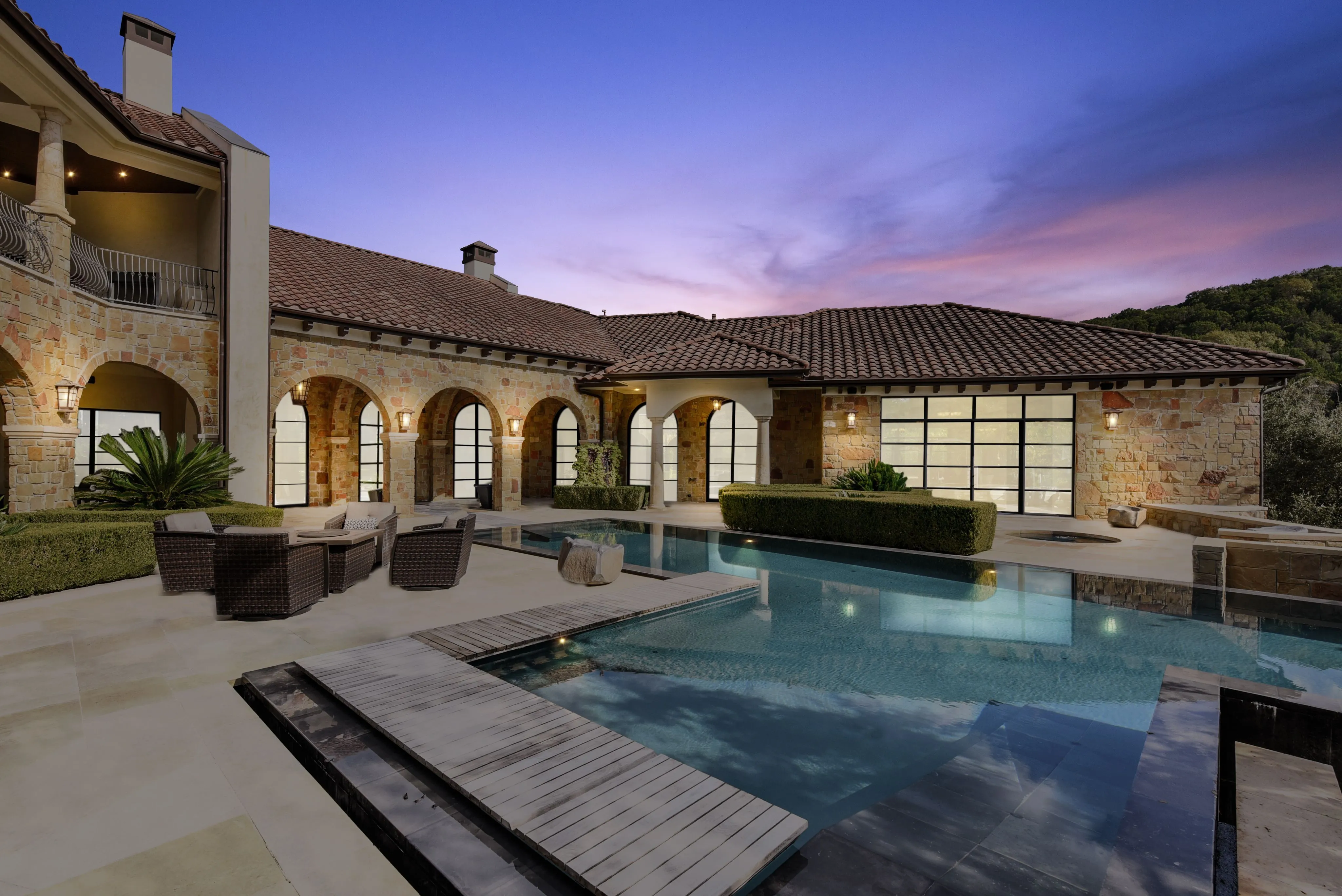
Virtual Dusk Real Estate: Which methods work for your in-house operation?
Photo Editing
How to Achieve Perfect Twilight Real Estate Photography?
Photo Editing
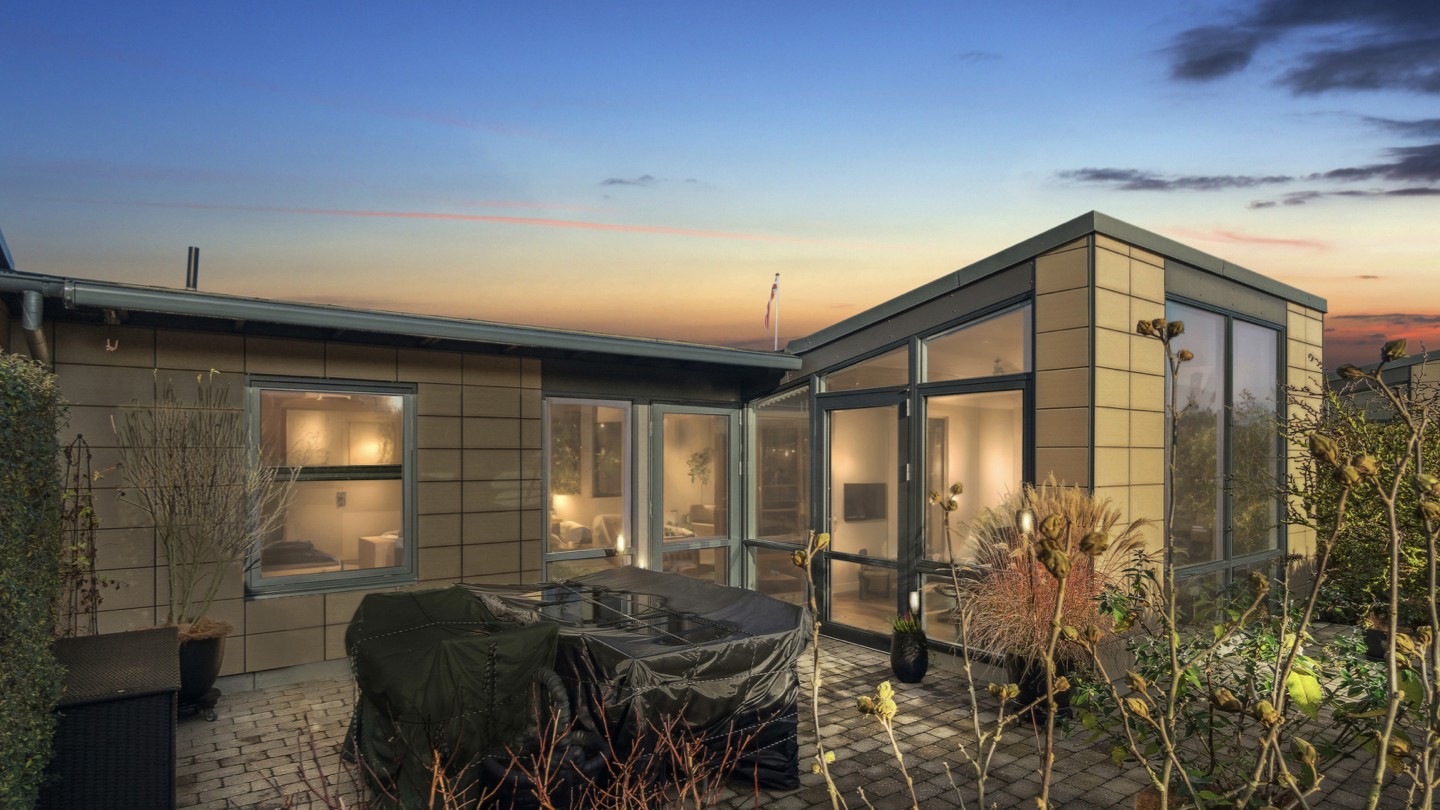
Twilight Photos Real Estate: AI vs Human Editing
Photo Editing

5 Best AI Photo Editing with Parallel Upload, Postpaid Pricing, Zero Disruption
AI Photo Editing
Real Estate Photography Editing Tips: Why Combining AI Photo and Video Delivers Better Listings
AI Photo Editing

Which AI Photo Editing Solution for Real Estate Marketing Offers the Best Integration?
AI Photo Editing


Linh Phan
Content Strategy Executive
No Spam, Just Updates
Our fresh blogs provide technical and industrial information that helps strengthen your business. Sign up to be the first to receive the new updates