
Real estate video editing in the United States has moved from a value-add to a production standard. Photographers and agencies compete on their ability to deliver polished video alongside photo-ready listings, faster and at scale. Buyers engage with video content earlier in the search process, and agents expect their media partners to keep pace. Choosing the right AI workflow, from photo editing to video production, directly affects turnaround, consistency, and business growth. This article covers the trends driving that shift, the case for a unified editing approach, and the tools and practices that make it work.
I.Why Real Estate Video Editing in the United States Is Now a Listing Standard
Video has become a core production requirement for real estate listings across the United States, driven by measurable shifts in how buyers discover and evaluate properties online.
Buyer Behavior Has Shifted Toward Video-First Discovery
Buyers now engage with video content early in their property search, well before booking a showing.
58% of buyers say video is essential in listings (Gitnux), and 92% spend more time on listings that include video (Resimpli).
On platforms like Zillow and Realtor.com, listings with video generate 403% more inquiries than photo-only listings (Luxury Presence) - a gap significant enough to change how photographers and agencies structure their service offerings.
What the Numbers Say About Video vs. Photo-Only Listings
The performance difference between video and photo-only listings in the US market is consistent across multiple data points:
Listings with video sell up to 32% faster on average (Resimpli)
Video listings receive 118% more leads than photo-only equivalents (Gitnux)
73% of homeowners say they are more likely to list with an agent who offers video marketing (Luxury Presence)
85% of US home sellers in 2026 explicitly expected video to be part of their listing plan before signing with an agent
What the US Market Now Expects, and Where Production Falls Short
The standard deliverable for a competitive US listing now includes walkthrough videos, drone footage, and short-form social clips alongside photography. Full-service media providers covering photo, video, drone, and floor plans under one order are increasingly the default choice for mid-to-premium listings.
Yet the production reality tells a different story. Only 38% of agents currently use video for listings, and just 9% create dedicated listing videos (Gitnux). The barrier is largely operational - video requires more time, more tools, and more coordination than photo work alone. For photographers and agencies looking to meet that demand, the core challenge is building a workflow that handles video at the same speed and consistency as photo editing, without proportionally increasing production overhead.
See more articles: Top 5 Real Estate Video Editing Services That Can Boost Listings
The Case for Combining AI Photo and Video Editing in One Workflow
Managing photo and video editing as two separate processes creates friction across the full production pipeline, and the business case for consolidating them is increasingly straightforward.
Running separate tools for photo and video editing means separate order submissions, separate delivery timelines, separate invoices, and separate quality checks per listing. For teams processing multiple shoots per day, this coordination overhead compounds quickly across the month.
The Time and Cost Impact of Split Workflows
When photo and video editing are managed through different vendors or platforms, the cost per listing goes up in ways that are easy to overlook:
Duplicate handling time per order - uploading, briefing, and checking two separate systems
Higher risk of missed delivery windows when two pipelines run on different schedules
Additional vendor management overhead that grows with listing volume
For agencies operating at scale, these inefficiencies directly affect margins and capacity.
Benefits of a Unified AI Workflow
A single platform handling both photo and video editing compresses the production pipeline into one submission, one timeline, and one delivery system.
For high-volume operations, the practical benefits are direct:
Consistent visual grading across all assets in a listing
Faster per-listing turnaround as both media types process in parallel
Reduced operational overhead per order, freeing up team capacity for higher-value work
Brand consistency across photos and video also matters from a client perspective. When the color grading, tone, and visual style of stills and video align, the listing reads as a cohesive, professionally produced package.
What Buyers Notice When Photo and Video Quality Don’t Match
Visual inconsistency across a listing’s assets affects how buyers perceive the property and the professionalism of the agent marketing it. When photos are HDR-corrected and color-graded to a high standard but the accompanying video looks flat or unpolished, the overall impression of the listing suffers.
For photographers and agencies whose reputation depends on output quality, this mismatch is a production risk that a unified editing workflow directly addresses.
See more articles: How Real Estate Video Editing Boosts Property Listings and Sales?
Autopix by Esoft - AI Photo and Video Editing Platform for Real Estate Business in the US
Esoft covers both sides of the real estate editing pipeline through two purpose-built platforms - Autopix for photo editing and Paralax for video, each designed to serve the production demands of professional photographers, studios, and agencies in the US market.
Autopix handles the full range of standard real estate photo editing requirements:
HDR and exposure balancing for interiors and exteriors
Sky replacement including 360° panoramic support
Screen blackening, window pull, and color correction
MLS-ready JPG output at native resolution
Autopix operates on a pay-as-you-go, post-payment model with pricing starting at $0.30 per image and an average turnaround of 40 minutes per order. For high-volume teams, key infrastructure features keep production moving at scale:
Parallel Upload allows multiple jobs to run simultaneously without waiting for previous orders to complete
Coconut Cloud Platform provides centralized order management and secure cloud storage
API integration connects directly with partner platforms and internal delivery tools
Configurable account-level defaults reduce per-order setup time across every submission
For video, Esoft offers Parallax - a dedicated real estate video editing platform covering footage sequencing, color grading, and delivery in formats ready for MLS platforms and social distribution. Having a dedicated video product means video jobs are handled with the same level of domain focus as photo editing, rather than treated as a secondary output within a general platform.
Autopix and Parallax give US photographers and agencies a unified Esoft production ecosystem - one vendor, two specialized platforms, covering the full listing asset set. Beyond the technology, Esoft provides guided onboarding, workflow optimization, and dedicated key account management, so both platforms are set up to match how your operation already works.
Practical Tips for Getting the Best Results from AI-Edited Listings
Shooting Practices That Maximize AI Output Quality
The quality of AI editing output is directly tied to the quality of raw files submitted. A few consistent habits at the shoot stage make a measurable difference across the full asset set:
Shoot in RAW or the highest available quality setting for photos; use LOG or flat color profiles for video to give the AI maximum grading range
Bracket exposures for interior shots to support HDR processing
Keep horizons level and verticals straight in-camera to reduce the need for geometric correction in post
Maintain stable, consistent lighting across the full shoot so AI grading applies evenly to the complete asset set
How to Brief an AI Platform for Consistent Style?
Consistent output across photo and video starts with a clear, repeatable brief. Most AI platforms support account-level style defaults, and setting these up correctly before the first order saves significant time across every subsequent job:
Define preferred sky style, color tone, and brightness level as account defaults
Use approved reference images or previous orders as style anchors when submitting new jobs
Document client-specific preferences and store them as separate profiles for recurring clients
Submit complete shoots rather than individual images where possible, so the platform grades the full asset set as one cohesive output
Quality Checkpoints Before Delivering to Agents or Clients
A structured review process before delivery protects output quality and client relationships. Key checkpoints to build into every workflow:
Verify that photo and video color grading is visually consistent across the full listing asset set
Check that sky replacements are applied correctly and match the overall tone of the surrounding image
Review video cuts for pacing and confirm the sequence reflects the intended flow of the property
Confirm all files meet the format and resolution requirements of the destination platform, whether MLS, Zillow, or social channels
When to Rely Fully on AI vs. When Human Review Adds Value?
For standard residential listings with clean raw files, full AI processing is reliable, fast, and consistent. Human review adds the most value in specific situations:
Luxury or high-profile listings where fine-tuning tone and style to match a premium brand standard matters
Properties with unusual lighting conditions or architectural complexity that require judgment beyond standard AI processing
First deliveries for new clients, where a manual quality pass helps establish a strong baseline for the relationship
As AI platforms process more of a team’s specific shoot style and client preferences over time, the share of orders requiring additional human review decreases and production capacity scales without a proportional increase in team overhead.
See more articles: Top Video Real Estate Editing Service Providers to Consider in 2026
FAQs
1. Is real estate video editing now a standard expectation in the US market?
Yes. In 2026, the standard deliverable for a competitive US listing includes walkthrough videos, drone footage, and short-form social clips alongside photography. Agents increasingly work with full-service media providers who can cover the complete asset set, making video production a baseline expectation rather than a premium add-on.
2. What is the difference between Autopix and Parallax by Esoft?
Autopix is Esoft’s AI photo editing platform, handling HDR processing, sky replacement, color correction, and MLS-ready output. Parallax is Esoft’s dedicated real estate video editing product, covering footage sequencing, color grading, and platform-ready delivery. Together, they give photographers and agencies one vendor for both photo and video production.
3. What is the best way to get consistent results from AI-edited listings?
Start at the shoot stage. Capturing in RAW for photos and LOG profiles for video gives AI platforms the maximum range to work with. Setting account-level style defaults before submitting orders and using reference images as style anchors keeps output consistent across every listing.
Takeways
Real estate video editing in the United States has shifted from an optional service to a production baseline, and the gap between market expectations and operational capacity is where photographers and agencies either grow or stall. A unified workflow covering both photo and video reduces production friction, improves visual consistency across every listing asset, and directly supports business scalability. Esoft’s purpose-built platforms are designed to close that gap, giving US photographers and agencies one production ecosystem that handles the full listing asset set. Start free trial now to build a workflow that keeps pace with where the US market is heading.
Related Blogs
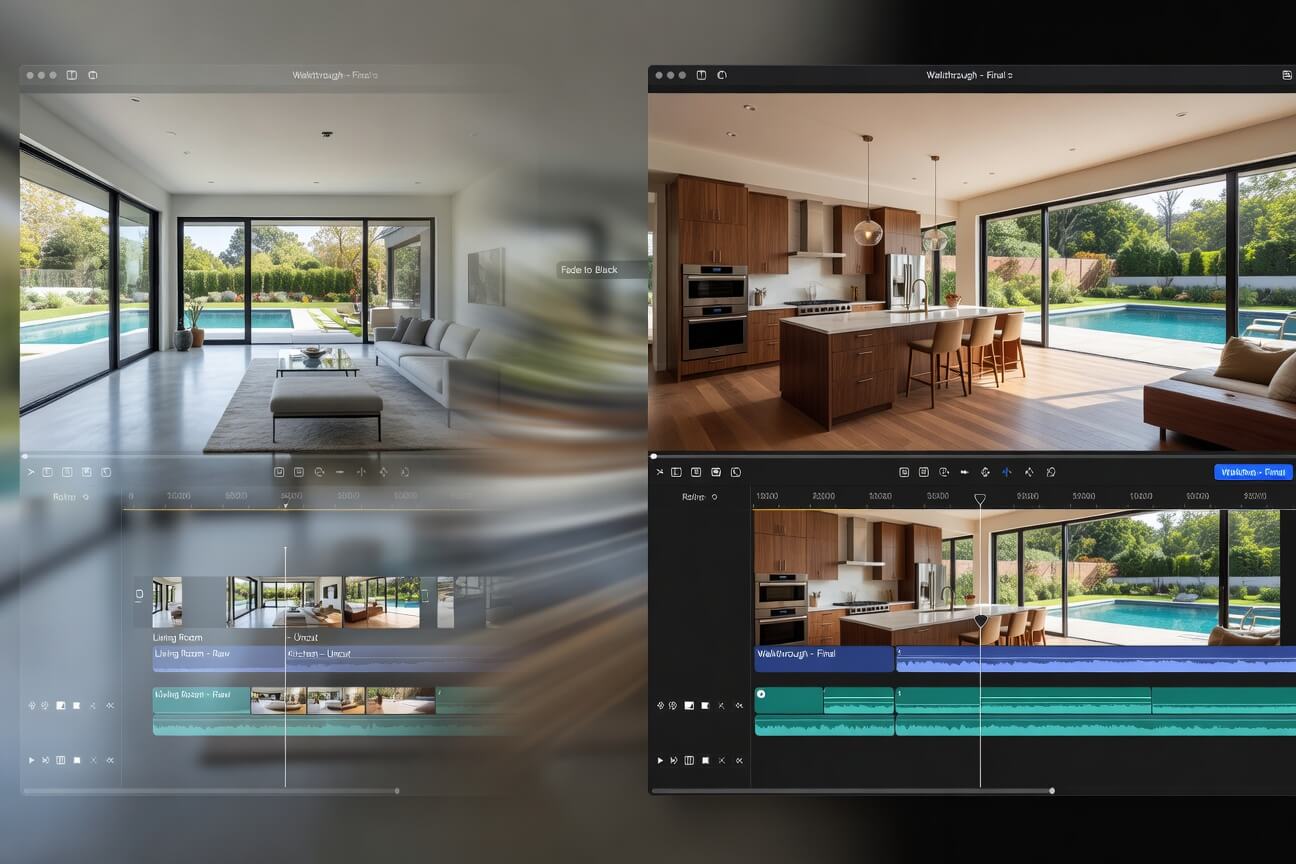
Top Video Real Estate Editing Service Providers to Consider in 2026
Video Editing

How to Use AI Photo to Video Real Estate to Drive Buyers' Attention
AI Photo Editing
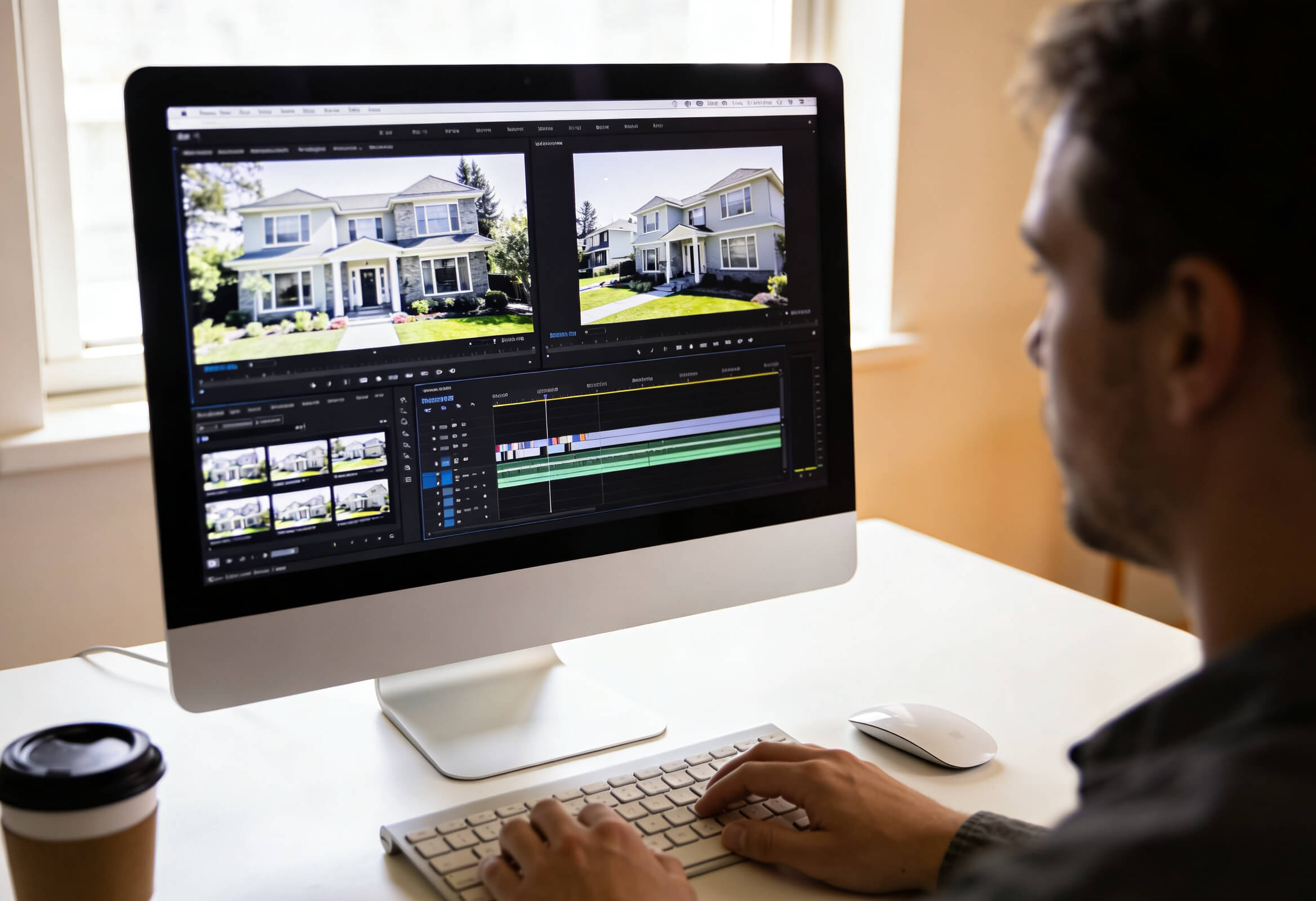
Best AI Photo Video Editing Tools for Real Estate Marketing Teams in 2026
Video Editing
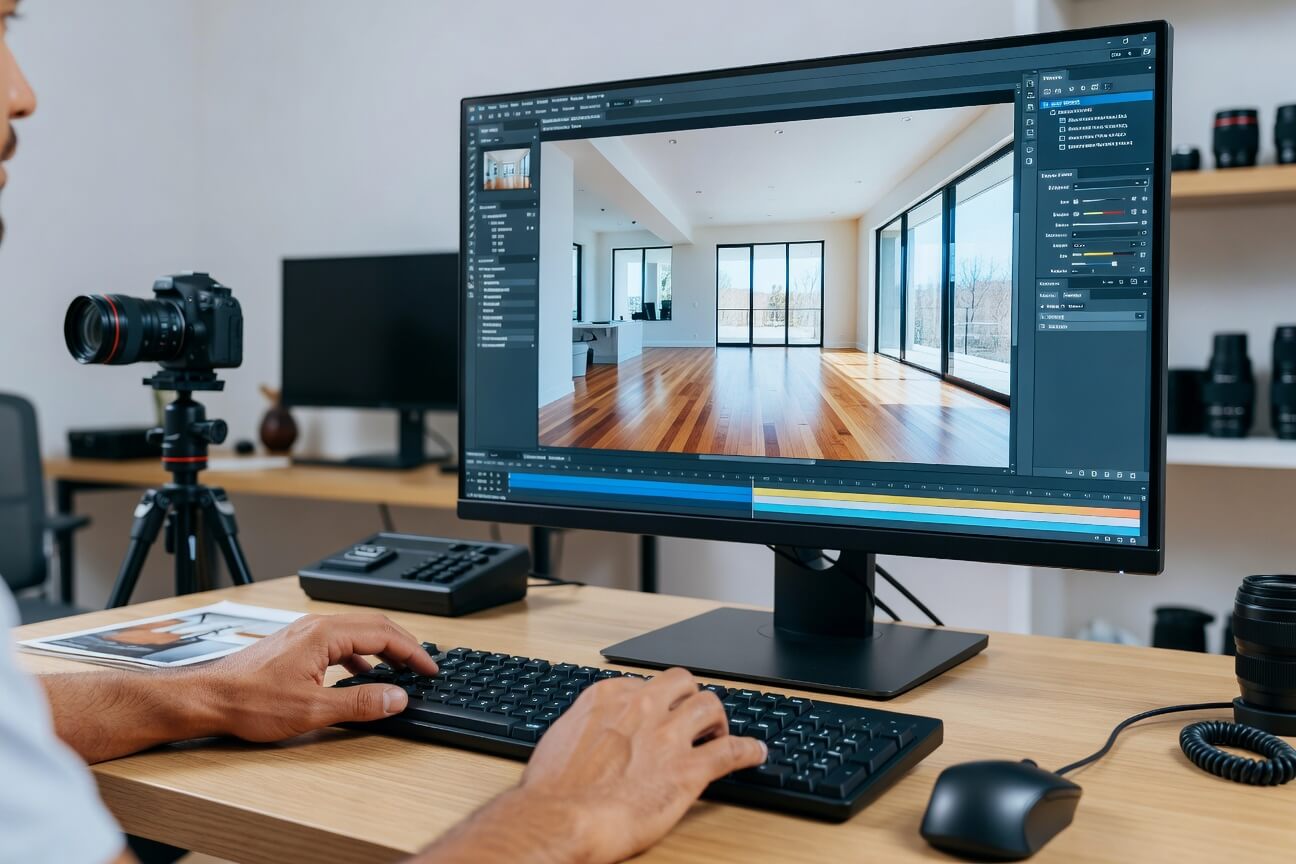
Real Estate Photo and Video Editing Explained: Tools, Workflow, and Trends
Video Editing
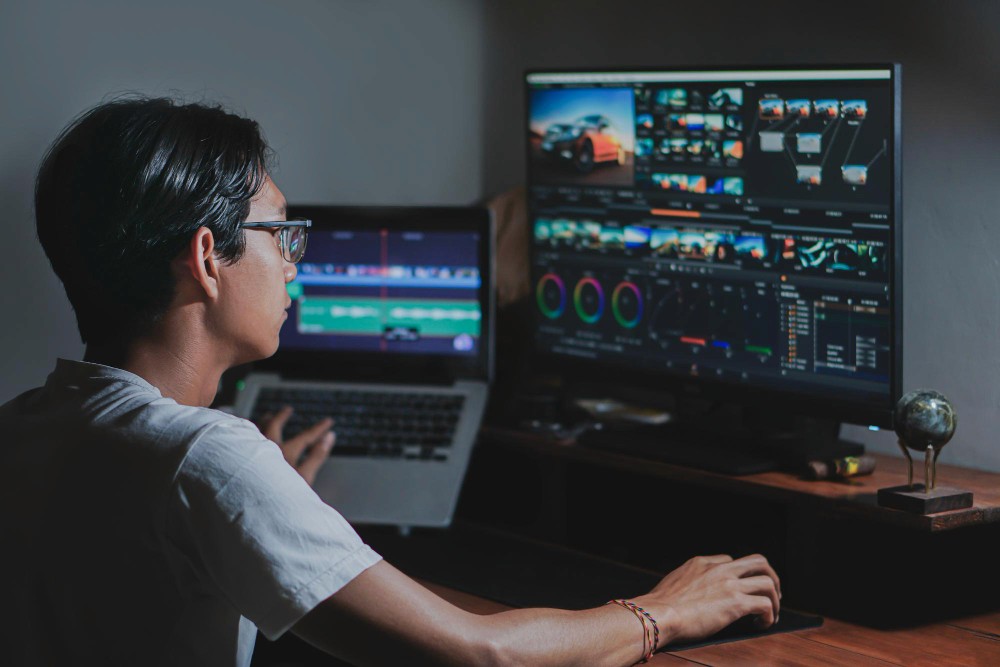
When Should You Outsource Real Estate Video Editing Services? Key Signs
Video Editing
AI Photo and Video Editing for Real Estate Listings: Features, Tools, and Trends
AI Photo Editing



Linh Phan
Content Strategy Executive
No Spam, Just Updates
Our fresh blogs provide technical and industrial information that helps strengthen your business. Sign up to be the first to receive the new updates
