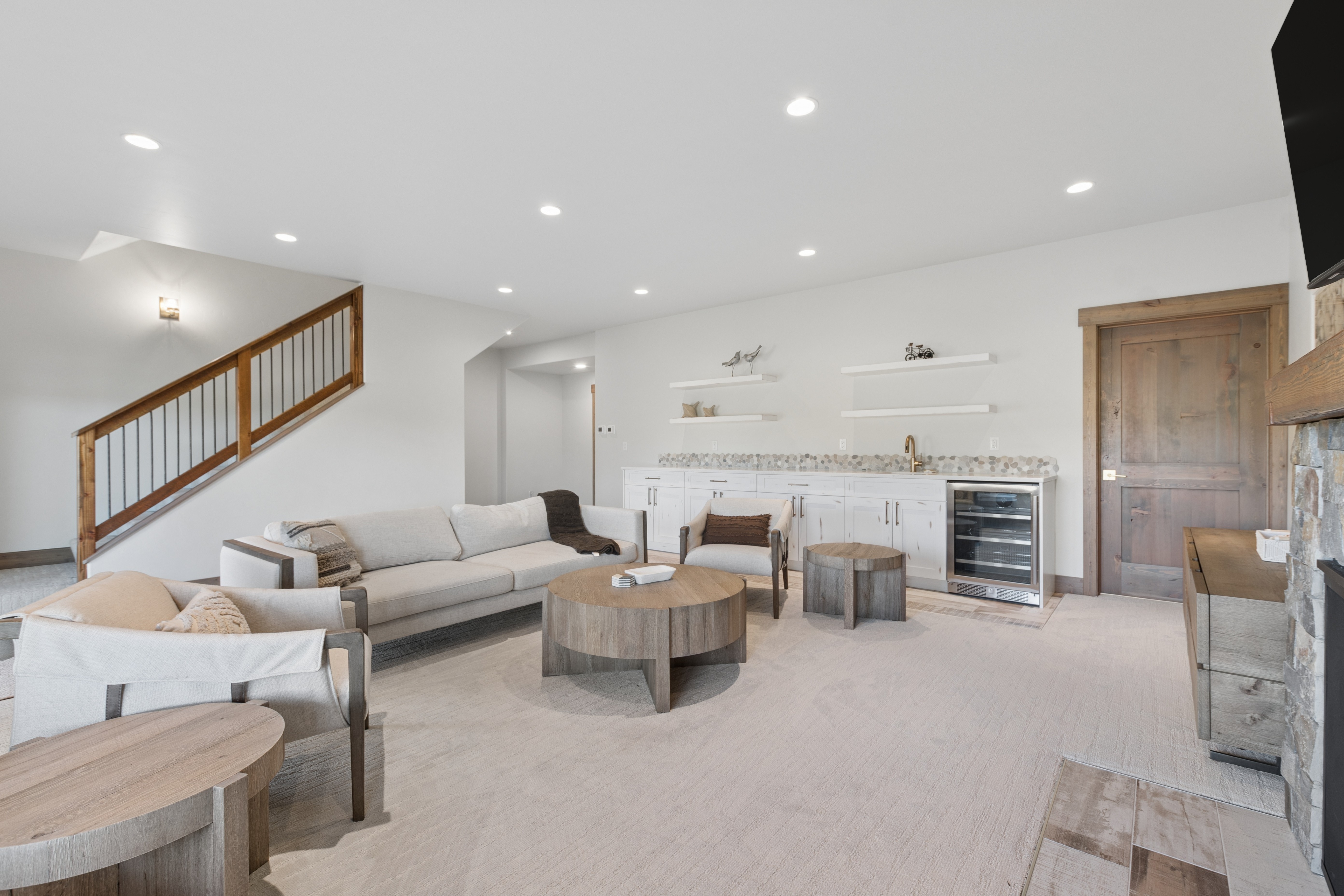
Every real estate studio reaches a point where the editing service that worked at lower volume starts creating problems at scale. Getting the best photo editing for real estate photography right is a decision that touches turnaround times, billing predictability, output consistency, and how much manual correction still lands on your team. This article Esoft breaks down the criteria that separate a reliable service from a risky one, where AI-based platforms commonly fall short under volume, and what a purpose-built solution for enterprise real estate production actually looks like.
I. What Makes the Best Photo Editing for Real Estate Photography
Real estate photography operates under a different set of demands compared to portrait, commercial, or event photography. The images have a functional purpose: they need to represent a property accurately while presenting it at its most appealing. That combination of accuracy and presentation quality creates editing requirements that are specific to the genre and difficult to meet with general-purpose tools.
The core challenge is that a real estate shoot rarely produces one or two standout images. A standard residential listing might require 30 to 60 images across interior and exterior, and every image in the set needs to meet the same output standard. Buyers and agents do not evaluate individual photos in isolation. They move through the full set, and inconsistency across it undermines the listing, no matter how strong any single image is.
The output standards that agents and studios consistently expect cover several key areas:
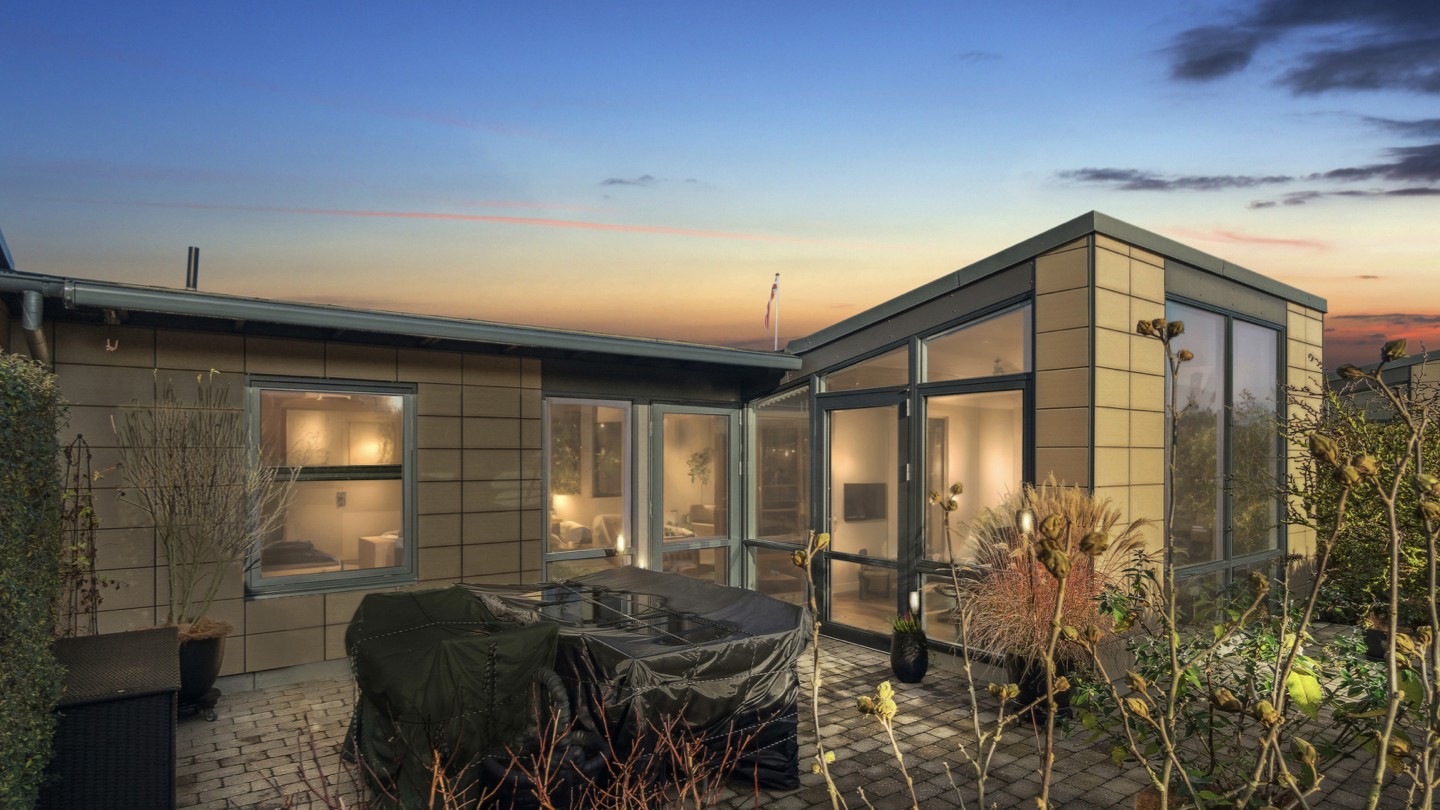
Sky replacement and blue sky rendering: exterior shots need a clean, natural sky regardless of shooting conditions, with realistic light direction that matches the rest of the scene
Window treatment: interiors require proper exposure balancing on windows so the view reads clearly without blowing out or darkening the surrounding room
Interior colour and exposure: accurate white balance, correct exposure across mixed lighting conditions, and consistent grading across the full set
Privacy compliance: automatic blurring of licence plates, faces, and other identifiable details that cannot appear in published listing images
Full-set consistency: grading, contrast, and tone across every image in the submission need to hold without variation
Surface-level correction, such as brightening an image, removing a minor blemish, or applying a preset, is not the same as editing that meets this standard. The distinction becomes visible at scale. A service that handles individual images cleanly can still produce inconsistent output when processing a full property set, particularly under volume. Evaluating editing quality means testing it across a complete shoot, not on a sample of one or two images.
See more articles: Best Real Estate AI Photo Editor Tools in 2026
II. The Criteria That Separate a Reliable Service from a Risky One
Choosing a service based on sample images or a trial order can give a misleading picture of how it will perform once it is embedded in a production workflow. Long-term reliability depends on more than output quality in a single batch.
Correction depth and range
The first question is whether the service can handle the full scope of a real estate shoot without requiring manual gap-filling. Some platforms cover basic exposure and sky correction but fall short on specialist edits such as window enhancement, interior blue sky rendering, or privacy compliance.
When those gaps exist, the editing work does not disappear. It shifts to your team. A reliable service should cover the full correction range that a real estate shoot requires, consistently, without exceptions that create downstream handling.
Consistency at volume
Output quality on a sample order is not a reliable indicator of what happens at production volume. Throughput ceilings, inconsistent model application, and variation between batches all become visible once a service is processing at scale.
Before committing, it is worth understanding how the service maintains output consistency across hundreds or thousands of images per month, and what the variance looks like across different property types and shooting conditions.
Turnaround, billing model, and workflow fit
A service that produces good images but creates friction in how it is billed or submitted adds operational overhead that compounds over time. The points worth evaluating here include:
Turnaround time: does the service consistently deliver within your listing timeline, or does volume create delays
Billing model: prepaid credits create cash flow management overhead; a post-paid model that bills per image after delivery aligns better with how high-volume operations actually run
Upload and submission structure: serial uploading at scale is a bottleneck; parallel upload capability removes that constraint and keeps the pipeline moving
Support structure
What happens when output does not meet standard is as important as what happens when it does.
A reliable service has a clear correction and resubmission process, a support team that understands real estate editing specifically, and response times that fit production timelines. A platform with no human support layer behind it shifts the resolution burden back to your operation every time something goes wrong.
III. Where Most AI Editing Services Fall Short at Scale
Most AI editing platforms perform well enough to pass a trial. The problems surface after the first few weeks of production volume, and they tend to follow a predictable pattern.
Throughput ceilings and inconsistent output
Many platforms are built to handle individual orders or small batches efficiently, but were not designed for the continuous, high-volume throughput that an enterprise studio or post-production company runs. When volume increases, processing times stretch, output consistency drops, and the platform starts requiring more manual oversight rather than less. The result is that the service that looked like a productivity gain at the start becomes a bottleneck once it is embedded in the workflow.
Inconsistency at volume is particularly damaging in real estate because it affects the full property set, not just a single image. Common failure points include:
Sky replacement that varies in tone or light direction across images shot in the same session
Window treatment that holds on standard interiors but fails on challenging lighting conditions
Colour grading that drifts across a batch, requiring manual correction to bring the set into alignment
Privacy blur that applies inconsistently, creating compliance risk on published listings
See more articles: Best Real Estate Photo Editing Services
Pricing models that create operational friction
Prepaid credit systems are common across AI editing platforms, and they introduce friction that compounds at scale. Credits expire, require forecasting to manage, and create accounting overhead that a per-image post-paid model avoids entirely.
For a high-volume operation, the billing structure is not a minor administrative detail. It affects cash flow, planning, and how efficiently the finance side of the business runs alongside production.
General-use models applied to a specialist problem
A significant portion of AI editing platforms are built on general image enhancement models that have been applied to real estate as a use case rather than trained specifically on real estate photography. The difference is visible under pressure.
A general model handles straightforward exteriors adequately but struggles with the combination of interior mixed lighting, window exposure balancing, and full-set grading consistency that real estate shoots routinely require. The platform may produce acceptable individual images while still falling short of the output standard that agents and studios expect across a complete listing set.
IV. Autopix by Esoft - How It Meets the Standard Enterprise Teams Require
Autopix by Esoft was built specifically for real estate post-production, not adapted from a general-purpose editing tool. Trained on over 18 million real estate images, the correction model understands the specific challenges of property photography across a wide range of property types and shooting environments.
Mapping directly against the criteria in Section II, Autopix covers the full correction scope a real estate shoot requires:
Interior Blue Sky: accurate sky rendering applied to interior window views, not just exterior shots
Sky replacement and exterior correction: consistent, natural-looking results with light direction that matches the scene
Window enhancement: proper exposure balancing across interior and window in a single image
Privacy blur: automatic detection and blurring of licence plates, faces, and identifiable details
Full-set consistency: the same correction standard applied across every image in a submission, regardless of batch size
On the operational side, parallel upload removes the serial submission bottleneck, post-paid billing at $0.30 per image means studios are billed for what they deliver rather than what they forecast, and turnaround is designed to hold at production volume. The managed service model also means there is a support layer behind the platform - resolution does not fall back entirely on your team when output needs correction.
For enterprise studios evaluating their options, the question is not whether a platform handles a strong order in isolation. It is whether the service holds its standard at full production volume, week after week. That is the standard Autopix was built to meet.
FAQ
1. Is AI photo editing accurate enough for professional real estate listings?
For studios and agencies with high output standards, the answer depends heavily on which platform you are using and what it was trained on. AI editing built specifically on real estate photography, rather than adapted from a general model, handles the full correction range that professional listings require, including interior lighting, window treatment, and full-set consistency. The output quality gap between a purpose-built model and a general-use one becomes most visible at scale.
2. What is the difference between a managed editing service and a self-serve AI tool?
A self-serve tool processes images based on the settings you configure and returns output without a human support layer. A managed service operates more like a production partner, with a support team that handles corrections, resubmissions, and edge cases without shifting that burden back to your operation. For high-volume studios, the managed model typically creates less overhead over time, particularly when output falls outside standard and needs resolution.
3. How do I evaluate an AI editing service before committing at production volume?
The most reliable approach is to submit a full property set rather than a handful of sample images. Testing on a complete shoot reveals how the service handles consistency across interiors, exteriors, and mixed lighting conditions within the same batch. It is also worth reviewing turnaround performance, how corrections are handled, and whether the billing model fits how your operation actually runs.
4. Why does billing model matter when choosing an editing service?
Prepaid credit systems require forecasting, carry expiry risk, and add accounting overhead that compounds at scale. A post-paid model that bills per image after delivery removes those friction points and aligns the cost structure to actual output rather than projected volume. For a studio processing hundreds or thousands of images per month, that difference has a real impact on how efficiently the financial side of the operation runs.
Conclusion
The best photo editing for real estate photography is not about what a service delivers on a single order. It is about correction depth across a full property set, output consistency at volume, a billing model that fits production operations, and a support structure that holds when something needs resolving. Most AI platforms cover the basics but fall short at scale. A purpose-built service, trained specifically on real estate photography and structured around high-volume production, is what separates a long-term operational asset from a short-term fix. If you are ready to evaluate your options, get in touch with Esoft to see how Autopix fits your workflow.
Related Blogs

5 Best AI Photo Editing with Parallel Upload, Postpaid Pricing, Zero Disruption
AI Photo Editing
Real Estate Photography Editing Tips: Why Combining AI Photo and Video Delivers Better Listings
AI Photo Editing

Which AI Photo Editing Solution for Real Estate Marketing Offers the Best Integration?
AI Photo Editing

Switching AI For Real Estate Image Editing: How to Make Migration Seamless?
AI Photo Editing

Auto Enhance Real Estate Photos: 6 Reasons Companies Are Switching to Autopix
AI Photo Editing

Autopix vs Other Real Estate Auto Photo Editor AI: Why Enterprise Teams Switch
AI Photo Editing




Linh Phan
Content Strategy Executive
No Spam, Just Updates
Our fresh blogs provide technical and industrial information that helps strengthen your business. Sign up to be the first to receive the new updates